Best Access Control Solutions for Multifamily and Commercial Buildings in 2026
Property access control has changed in recent years, especially for operators evaluating the best access control solutions for multifamily and commercial buildings in 2026.
For multifamily properties, access control can impact resident satisfaction and efficiency. For commercial buildings, it affects visitor management, contractor access, and shared-space security. This has driven the adoption of cloud platforms that can consolidate access control into a single system.
This guide is compiled from MY IT Brain's work supporting access control, security, networking, and low-voltage deployments across South Florida. Drawing from our 25 years of combined experience in multifamily and commercial environments, we compare leading access control solutions for 2026, including Swiftlane, Avigilon, PDK, Kisi, and Brivo.
Multifamily & Commercial: Which Features Matter Most?
Although multifamily and commercial properties may use similar hardware, their operational priorities are often very different.
A multifamily building may prioritize resident self-service and package management, while a commercial office may focus more heavily on audit trails, compliance, and role-based permissions.
Features Prioritized by Multifamily Access Control
Resident Self-Service Most apartment and condo properties don't have dedicated on-site IT teams, so access control often falls on your staff. Systems that support resident self-service reduce that burden by shifting basic access tasks away from staff. Residents can typically self-enroll mobile credentials, manage guest access, issue temporary passes, and handle delivery entry. This can reduce routine support requests for your team and speed up onboarding and access changes.
Rapid Credential Turnover Move-ins, move-outs, lost credentials, and contractor updates happen frequently in residential buildings. Cloud-managed systems help by letting you revoke access instantly, issue temporary credentials, and manage multiple properties without on-site intervention. This becomes especially important in larger portfolios where manual reprogramming quickly becomes a bottleneck.
Delivery and Visitor Management Package delivery traffic has become a major operational issue for apartment buildings. Integrated video intercoms, remote unlock tools, and delivery workflows can help reduce missed deliveries, staff interruptions, and unauthorized access attempts.
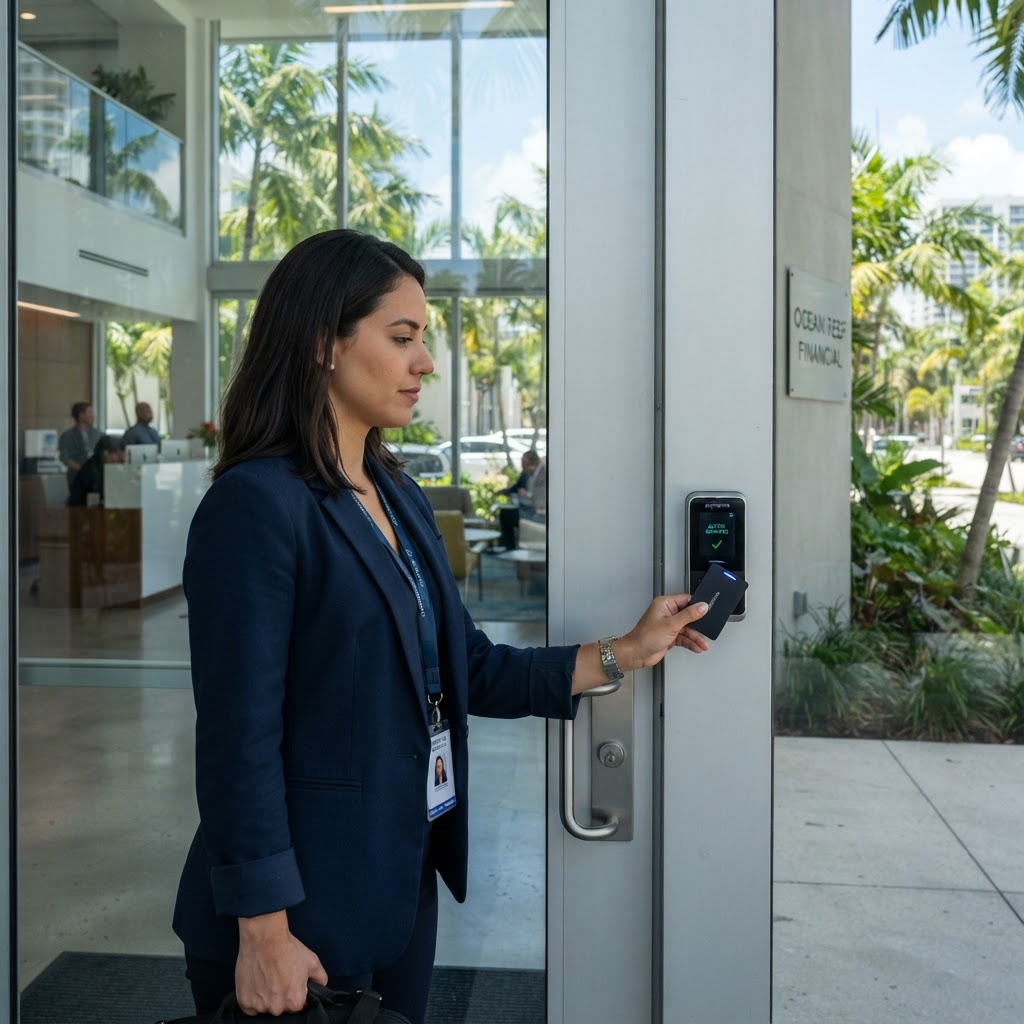
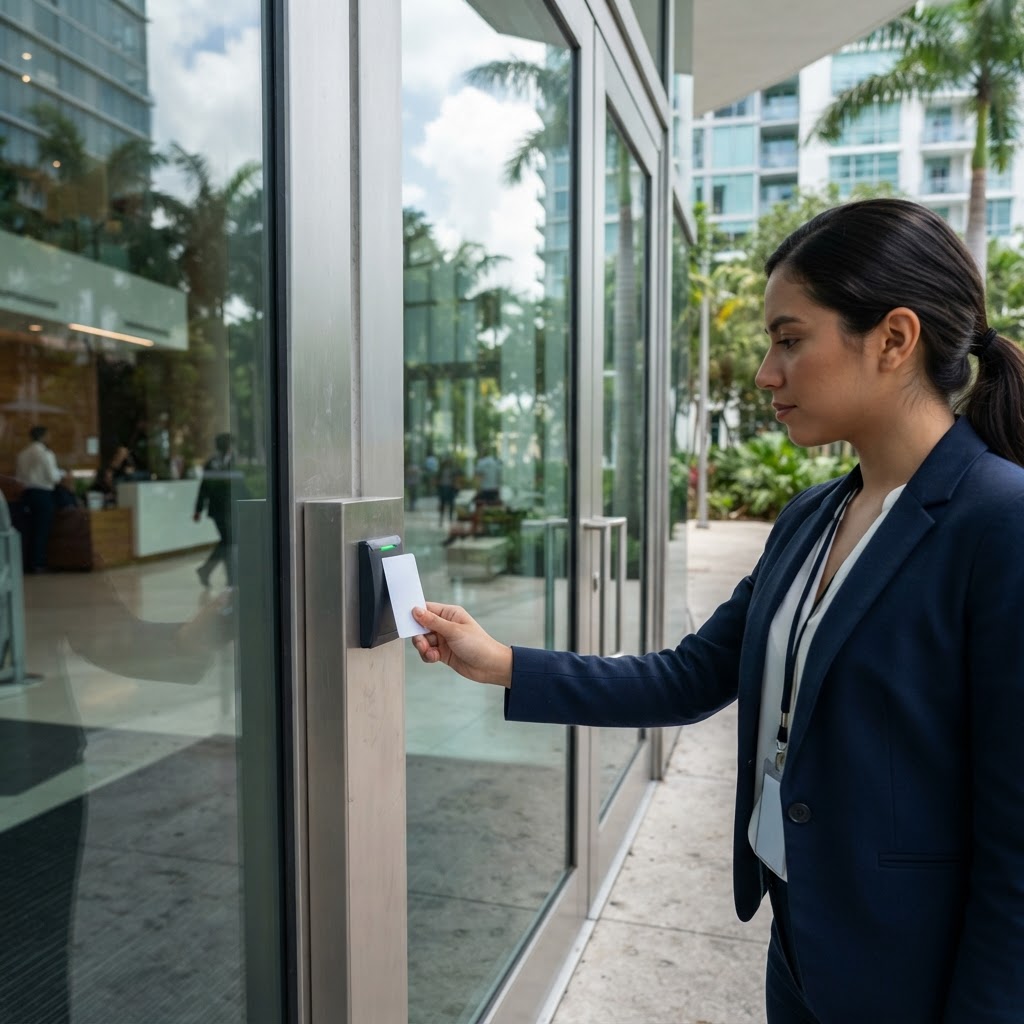
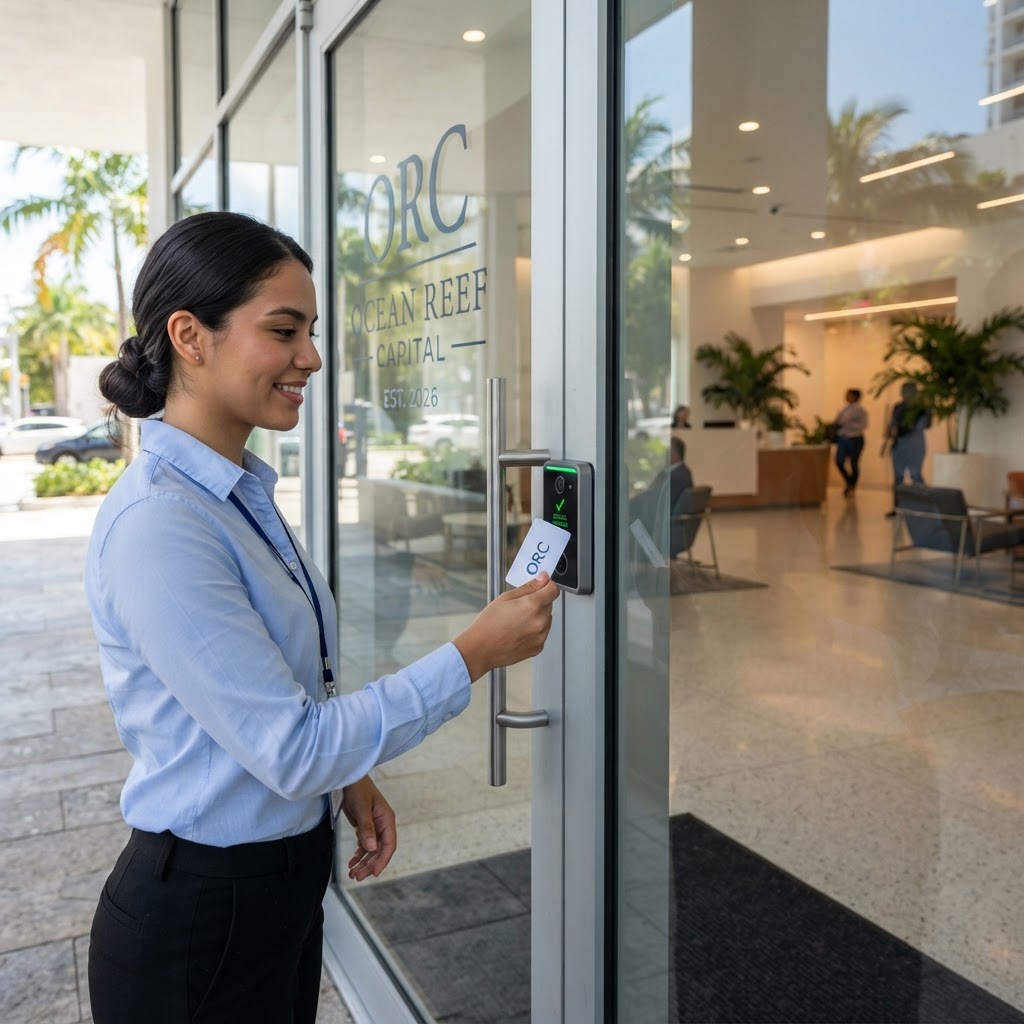
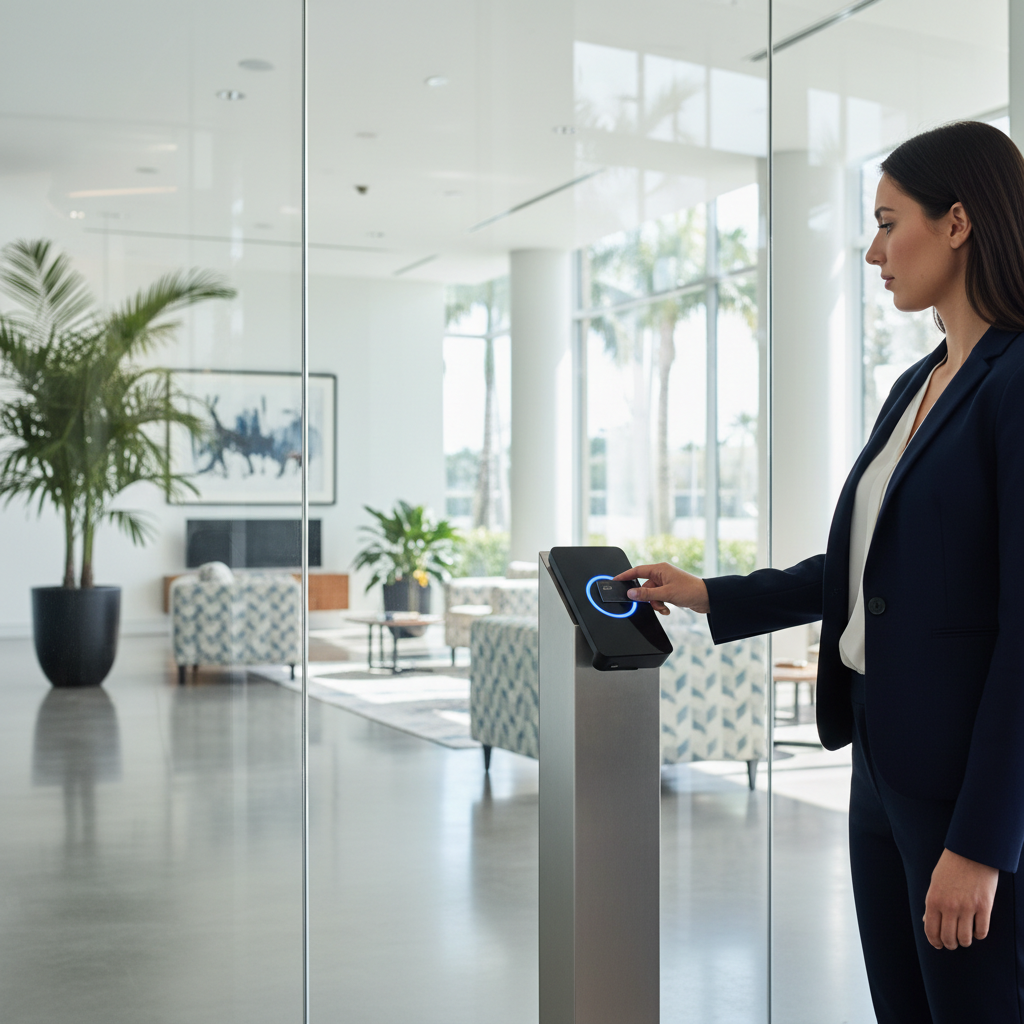
Mobile and Touchless Entry Mobile credentials and touchless entry are increasingly viewed as convenience features tenants expect rather than premium add-ons. Some systems also come with support for facial recognition entry. It can reduce dependence on physical credentials while improving convenience for residents carrying groceries or packages.
Features Prioritized by Commercial Access Control
Role-Based Permissions Commercial properties typically manage multiple user groups, including employees, contractors, vendors, cleaning crews, visitors, and temporary staff. Role-based access helps ensure each group only has access to the areas and schedules relevant to them. This not only reduces unnecessary exposure but also simplifies your administrative tasks.
Compliance and Audit Trails Commercial environments often require detailed activity logs for SOC 2 requirements, HIPAA-related environments (particularly for tenants in healthcare or SaaS environments), internal investigations, insurance documentation, and broader security policies. For most buyers, the key factor isn't just having logs, but how searchable and centrally managed they are across users and sites.
HR and IT Integrations More commercial operators are connecting access control directly to HR and IT systems. This allows automatic onboarding, immediate access revocation after termination, synchronized permissions, and fewer manual updates across systems.
Elevator and Floor Controls In larger commercial and mixed-use buildings, elevator access control is increasingly used to restrict floor-level access. This helps limit entry to specific floors or after-hours zones. We've observed that properties managing multiple entrances and delivery traffic often benefit most from unified intercom and access control systems rather than separate platforms.
The Best Access Control Solutions for 2026
1. Swiftlane
Swiftlane is a cloud-based access control and video intercom platform designed primarily for multifamily, mixed-use, and commercial properties. One of its main differentiators is that it combines face recognition (opens in a new tab), video intercom functionality, mobile access, physical credentials, elevator controls, and cloud-based management within a single platform. That unified approach can reduce the operational complexity that comes with managing separate systems for building entry, resident access, visitor management, and intercom communication. Swiftlane is particularly well-suited for apartment buildings, gated communities, mixed-use developments, and commercial properties looking to modernize both tenant and staff access workflows.
Where Swiftlane Stands Out
Native Face Recognition Swiftlane is one of the few multifamily-focused platforms offering native face recognition as part of the core access workflow. In practice, touchless workflows can reduce common operational issues related to lost keycards, forgotten fobs, and credential sharing.
Unified Platform Design Many access control deployments rely on separate vendors for intercoms, mobile access, credential management, video verification, and elevator access. Swiftlane consolidates those functions into a single cloud-managed system. That can simplify administration for operators managing multiple buildings or limited on-site staff.
Hardware Durability and Scalability Swiftlane also emphasizes enterprise-grade hardware durability. For instance, its SwiftReaderX is rated IP65 and IK10 and is designed to continue performing in all environments. For operators managing large portfolios, Swiftlane's scalable and centralized platform can simplify administration across multiple properties.
Considerations Swiftlane is designed for multifamily, mixed-use, and commercial environments, so it may not be the best fit for smaller single-family residential deployments. Because the platform relies heavily on cloud-based management and remote administration, buyers should also evaluate local network reliability and infrastructure readiness during planning and deployment.
Best Fit Swiftlane is a strong fit for multifamily and commercial properties that need unified management across intercom, visitor management, and access control systems.
2. Avigilon
Avigilon is primarily known for enterprise-grade video surveillance and physical security infrastructure. Its access control capabilities are part of a broader security portfolio that spans both cloud-native and on-premise deployments, depending on the product line. Avigilon operates across two main ecosystems: Avigilon Alta, its cloud-based platform, and Avigilon Unity, its on-premise and hybrid solution. You can choose between fully cloud-managed access control or more traditional infrastructure-heavy deployments, based on your existing security architecture and compliance requirements.
Where Avigilon Stands Out
Enterprise Security Ecosystem Avigilon's biggest advantage is its integration with enterprise surveillance and security operations infrastructure. For property teams, this can create a more centralized view of building activity. In practice, this means that you can review door activity alongside surveillance recordings and investigate incidents faster.
AI-Powered Video Analytics Avigilon has invested heavily in AI-driven video analytics. These tools can flag unusual behavior, track movement patterns, and surface relevant footage faster during incident investigations. For commercial properties with complex security operations, these capabilities can add meaningful value.
Compliance-Oriented Audit Trails Avigilon's platforms provide detailed access logs that can be useful for compliance documentation, internal investigations, and insurance purposes.
Considerations Avigilon is generally positioned for larger enterprise environments. Smaller multifamily or boutique commercial properties may find the platform over-specified for their needs, and the total cost of ownership can be higher than cloud-native alternatives.
Best Fit Avigilon is a strong fit for large commercial properties, enterprise campuses, or organizations that already use Motorola Solutions' broader security ecosystem.
3. PDK (ProdataKey)
PDK is a cloud-based access control platform focused on commercial environments. It uses a distributed architecture where intelligence is stored at the door controller level, which means the system continues to function even during cloud outages or internet disruptions.
Where PDK Stands Out
Offline Resilience PDK's distributed architecture keeps access decisions local. If your internet connection goes down, doors continue to function normally based on last-known policies. For commercial properties in areas with variable connectivity, or where uptime is critical, this architecture reduces dependency on continuous cloud connectivity.
Dealer and Integration Ecosystem PDK has built a strong dealer network and integration ecosystem. It connects with HR platforms, video management systems, and building automation tools through documented APIs.
Considerations PDK's focus is primarily commercial. Multifamily operators looking for resident-facing features like mobile credentials, video intercom, or delivery management may find the platform less optimized for those use cases compared to Swiftlane or Latch.
Best Fit PDK is well-suited for commercial office buildings, professional campuses, and environments where offline resilience and deep integrations are priorities.
4. Kisi
Kisi is a cloud-first access control platform designed for modern workplaces. It emphasizes ease of use, fast deployment, and strong software integrations with tools like Slack, Google Workspace, and HR platforms.
Where Kisi Stands Out
Workplace Integrations Kisi's integration library is one of its strongest differentiators. Automated onboarding and offboarding through HR system connections can significantly reduce administrative overhead in dynamic commercial environments.
Mobile-First Experience Kisi's mobile app provides a clean, consumer-grade experience for end users. NFC and Bluetooth unlock are smooth and reliable.
Considerations Kisi is primarily optimized for commercial offices and co-working environments. Multifamily-specific features like video intercom, delivery management, and resident portals are not core to the platform.
Best Fit Kisi is a strong fit for tech-forward commercial offices, co-working spaces, and companies prioritizing HR and productivity tool integrations.
5. Brivo
Brivo is one of the longest-standing cloud access control platforms, with deep experience across both commercial and multifamily markets. It offers a broad feature set and a well-established partner ecosystem.
Where Brivo Stands Out
Multi-Property Management Brivo's platform is built for operators managing multiple properties. A single administrative interface provides visibility and control across all sites, with per-site user management and reporting.
Video Integration Brivo integrates with major video surveillance platforms, allowing operators to correlate access events with camera footage.
Considerations Brivo's broad feature set can mean a steeper learning curve for smaller operators. The platform is better suited for organizations with dedicated security or facilities staff.
Best Fit Brivo is well-suited for multi-site portfolios, property management companies, and organizations that need centralized visibility across many locations.
Key Questions to Ask Any Access Control Vendor
Before committing to a platform, ask:
- Do you support mobile credentials natively, or through a third-party integration?
- Is your video intercom native to the platform or an add-on integration?
- What happens to door access if the internet goes down or your cloud has an outage?
- Do you support elevator and floor-level access control?
- How comprehensive are your audit trails, and can they be exported for compliance purposes?
- Can we schedule temporary access windows for contractors and service providers?
- Do you have tools to detect or flag suspicious access patterns?
- How do you handle multi-property management for operators with large portfolios?
Choosing the Right Platform for Your Property
The best access control system is the one that fits your specific operational context:
- Multifamily properties prioritizing resident experience, mobile credentials, and video intercom: Swiftlane or Latch
- Commercial offices prioritizing workplace integrations and fast deployment: Kisi
- Commercial environments where offline resilience matters: PDK
- Enterprise or large commercial with existing Motorola/Avigilon infrastructure: Avigilon
- Multi-site portfolios needing centralized management: Brivo
MY IT BRAIN's Access Control Practice
We design and deploy access control systems for multifamily and commercial properties throughout South Florida. Our Access Control & Smart Entry practice handles site surveys, system design, installation, and ongoing support.
Contact MY IT BRAIN to schedule your free access control assessment.
Frequently Asked Questions
Ready to Upgrade Your IT?
Talk to our South Florida IT experts about your business challenges. Free consultation, no commitment.
Get a Free Consultation